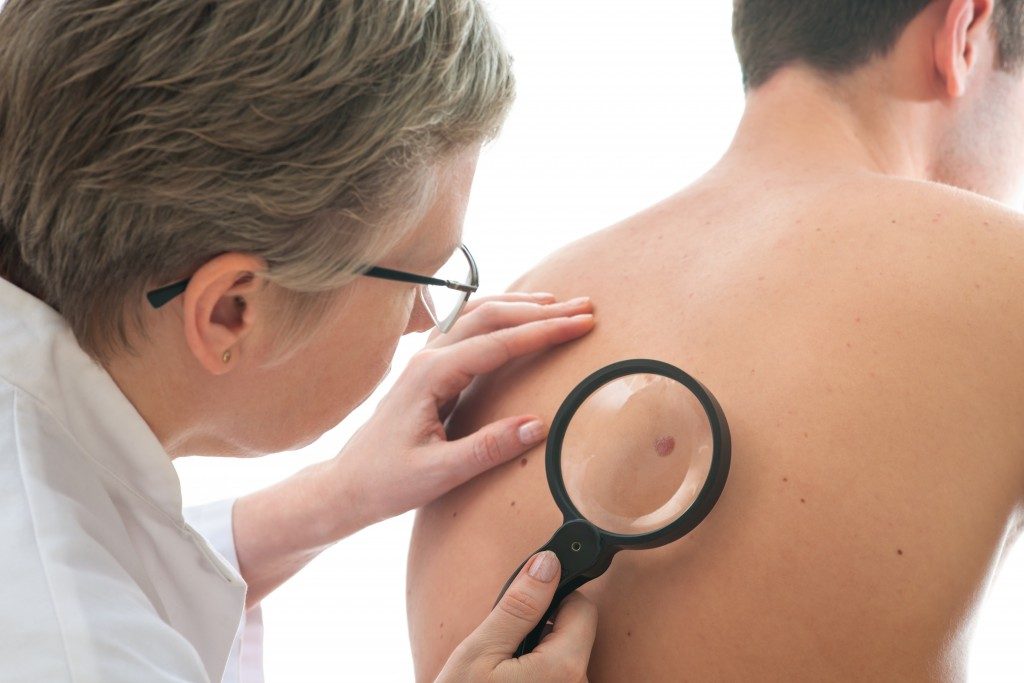
The journey toward optimal health is often compared to a marathon, but in reality, it is more like maintaining a complex, high-performance engine. You cannot simply put fuel in the tank and expect the vehicle to run forever; you must attend to the spark plugs, the alignment, the cooling system, and the electronic sensors. True wellness is a multidimensional pursuit that requires us to look into the specific corners of our biology that we often take for granted.
In this deep dive, we explore how specialized care—ranging from the way we breathe at night to the way we support our cellular nutrition—creates a foundation for a life lived at full capacity. By moving beyond general “wellness” and into precision health, we can address the root causes of fatigue, pain, and aging.
Mastering Restorative Rest
Optimize Your Airway for Better Sleep
Sleep is the foundational pillar upon which all other health metrics are built. While many people focus on the quantity of sleep, the quality of your airway during those hours is far more critical. Obstructive sleep apnea affects millions of individuals, often going undiagnosed for years while it quietly increases the risk of hypertension, stroke, and metabolic syndrome.
When the tissues in the throat relax excessively, they block the passage of air, leading to frequent “micro-awakenings” that prevent the brain from entering deep, restorative REM cycles. Traditional treatments like CPAP machines are highly effective but can be cumbersome, leading to low compliance. Fortunately, modern innovations have introduced dental sleep apnea treatments as a viable and comfortable alternative. These custom-fitted oral appliances work by gently repositioning the jaw to keep the airway open throughout the night.
- Signs you need an airway assessment: Chronic snoring, waking up with a dry mouth, morning headaches, or feeling exhausted despite getting eight hours of sleep.
- The custom approach: Unlike over-the-counter mouthguards, professional appliances are titrated to your specific anatomy, ensuring maximum airflow with minimal jaw strain.
- Long-term benefits: Consistent airway management lowers systemic inflammation and improves cognitive focus during the day.
- Co-management with Sleep Specialists: It is often beneficial to work with both a dentist and a sleep physician to ensure that oral appliances are meeting therapeutic goals through follow-up sleep studies.
Align the Nervous System for Physical Efficiency
Your musculoskeletal system is the framework for your nervous system. When the spine or joints are misaligned, it creates “noise” in the nervous system, which can manifest as chronic pain, reduced range of motion, or even digestive issues. Addressing these mechanical imbalances is a key component of specific care.
Utilizing chiropractic services allows for the correction of subluxations—minor misalignments that can impede nerve signaling. By restoring proper alignment, the body can distribute weight more effectively, reducing the wear and tear on joints and allowing the nervous system to operate without interference.
- Integrated Mobility: Combine spinal adjustments with soft tissue work to ensure that muscles aren’t pulling the skeleton back into a poor posture.
- Preventative Maintenance: Don’t wait for a “thrown-back” incident; regular check-ins can identify tight patterns before they become debilitating injuries.
- Pediatric and Geriatric Adaptations: Modern adjustments are highly scalable, utilizing gentle instrument-assisted techniques for children and seniors to maintain joint mobility across the lifespan.
Hormonal and Nutritional Foundations

Balance Your Internal Chemistry
As we age, our endocrine system—the network of glands that produce hormones—naturally begins to shift. For men, a decline in androgens can lead to a host of symptoms that are often dismissed as “just getting older.” This includes unexplained weight gain, a loss of muscle tone, brain fog, and a diminished sense of drive.
Addressing these shifts requires a nuanced approach. Rather than relying on broad-spectrum stimulants, many healthcare providers are turning to targeted bioidentical hormone replacement therapy. For those with clinically low levels, the application of testosterone cream can help stabilize mood and restore metabolic function. This delivery method allows for steady absorption through the skin, avoiding the peaks and valleys often associated with injectable treatments.
- The Importance of Testing: Always begin with a full blood panel to check free and total levels, as well as estrogen and thyroid function.
- Lifestyle Synergy: Hormonal support works best when paired with resistance training and a high-protein diet to maximize tissue repair.
- Consistency in Application: To maintain stable serum levels, it is vital to apply topical hormones at the same time each day to clean, dry skin as directed by your healthcare provider.
Supercharge Your Cellular Nutrition
While calories provide energy, micronutrients provide the instructions for your cells. In the modern food environment, even “healthy” diets can be deficient in key antioxidants and phytonutrients due to soil depletion and long transit times for fresh produce.
To bridge this gap, many health-conscious individuals are looking toward concentrated sources of nutrition. Utilizing wholesale fruit powder is an efficient way to ingest the polyphenol equivalent of several servings of fruit in a single scoop. These powders, often made from freeze-dried acai, pomegranate, or tart cherries, retain the enzymatic activity of the fruit while removing the excess water and bulk.
- Diversity is Key: Use a variety of fruit powders to ensure a broad spectrum of antioxidants (anthocyanins, resveratrol, etc.).
- Ease of Use: Mix these powders into morning yogurt, oatmeal, or post-workout shakes to ensure you are meeting your daily antioxidant “quota” without the sugar spike of juice.
- Bioavailability and Storage: Store these concentrated powders in a cool, dark place to prevent the oxidation of delicate phytonutrients, ensuring you get the maximum nutritional punch per serving.
Precision Diagnostics and Vision Care
Prioritize Specialized Vascular Screenings
Much of our health is hidden beneath the surface in our circulatory system. Traditional medicine often waits for a major event—like a heart attack or a clot—to intervene. However, precision care involves looking at the integrity of our veins and arteries long before a crisis occurs.
A vascular interventional radiologist specializes in using advanced imaging to perform minimally invasive procedures that would have required major surgery in the past. Whether it is treating peripheral artery disease or managing chronic venous insufficiency, these specialists use tiny catheters and stents to clear blockages and restore healthy blood flow.
- Early Indicators: Pay attention to leg heaviness, visible bulging veins, or slow-healing wounds on the extremities.
- The Technology: Advanced ultrasound and fluoroscopy allow these doctors to see inside your vessels in real-time, ensuring a high level of accuracy and faster recovery times.
- Non-Surgical Alternatives: Many vascular conditions that previously required hospital stays can now be treated in outpatient settings with local anesthesia and significantly less downtime.
Shield Your Sight from Digital Strain
In an era dominated by screens, our eyes are under more pressure than ever before. Vision health is not just about seeing clearly; it is about the health of the ocular nerve and the internal pressure of the eye. Regular eye exams can often be the first line of defense in detecting systemic issues like diabetes or high blood pressure.
Consulting with experienced optometrists ensures that you are not just getting a lens prescription, but a full health screening. They can provide specific advice on managing “Computer Vision Syndrome” and recommend specialized coatings or lenses that reduce the strain of high-energy visible (HEV) light.
- The 20-20-20 Rule: Every 20 minutes, look at something 20 feet away for 20 seconds to give the ciliary muscles in your eyes a break.
- Annual Screenings: Ensure your exam includes a retinal scan to track changes in the back of the eye over time.
- Dry Eye Management: Modern eye care includes looking at tear film quality, as chronic dryness can lead to corneal scarring and permanent vision changes if left unaddressed.
From Smile to Step
Implement a Proactive Oral Health Regimen
The mouth is the gateway to the rest of the body. Science has consistently shown a link between periodontal disease and systemic conditions like Alzheimer’s and cardiovascular disease. This is because the bacteria that cause gum inflammation can enter the bloodstream, triggering a systemic inflammatory response.
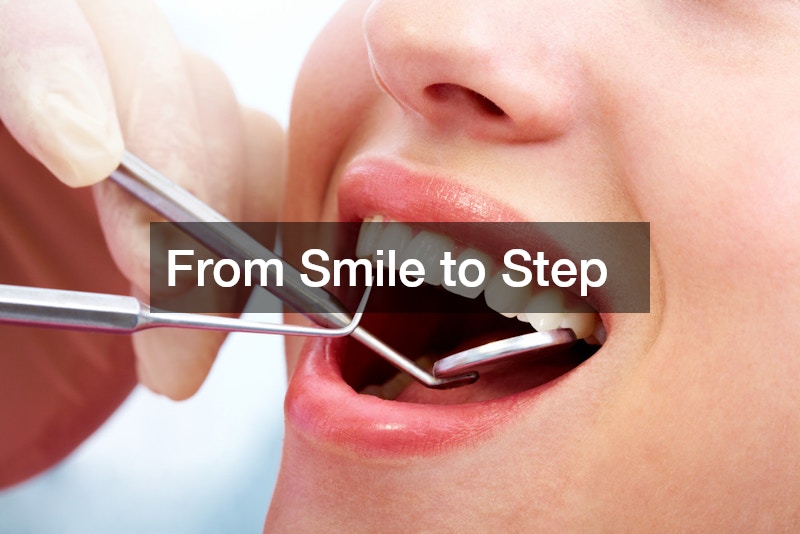
Finding a high-quality dental service is about more than just getting your teeth cleaned twice a year. It is about establishing a preventative protocol that includes deep cleanings, fluoride treatments, and perhaps most importantly, education on home care. A good clinician will look for early signs of erosion or gum recession that could indicate larger issues like acid reflux or nutritional deficiencies.
- Interdental Cleaning: Flossing is non-negotiable, but water flossers or interdental brushes can be even more effective for those with tight spaces or dental work.
- Microbiome Support: Consider oral probiotics to encourage the growth of beneficial bacteria that fight off decay-causing strains.
- Biomimetic Approaches: Modern dentistry focuses on preserving as much natural tooth structure as possible, using advanced bonding materials that mimic the natural expansion and contraction of enamel.
Correct Foot Mechanics to Protect Your Knees and Hips
Every step you take sends a kinetic wave up through your ankles, knees, and hips, ending at the base of your skull. If your feet are not striking the ground correctly, that energy is absorbed by your joints, leading to premature wear and tear.
If you find yourself limping or adjusting your walk, it is vital to seek a professional toe pain treatment. Whether the issue is a bunion, a hammertoe, or a simple case of ingrown nails, these “minor” foot problems cause you to subconsciously alter your gait. Over time, this compensation leads to hip misalignment and lower back pain.
- Footwear Matters: Avoid shoes with narrow toe boxes that cramp the natural splay of your feet.
- Strengthening: Perform “toe curls” and calf stretches to maintain the arch of the foot and the flexibility of the Achilles tendon.
- Orthotic Customization: If generic inserts aren’t helping, medical-grade custom orthotics can redistribute pressure based on a digital 3D scan of your specific gait.
Mental Well-being and Crisis Preparedness
Dedicate Time to Nervous System Decompression
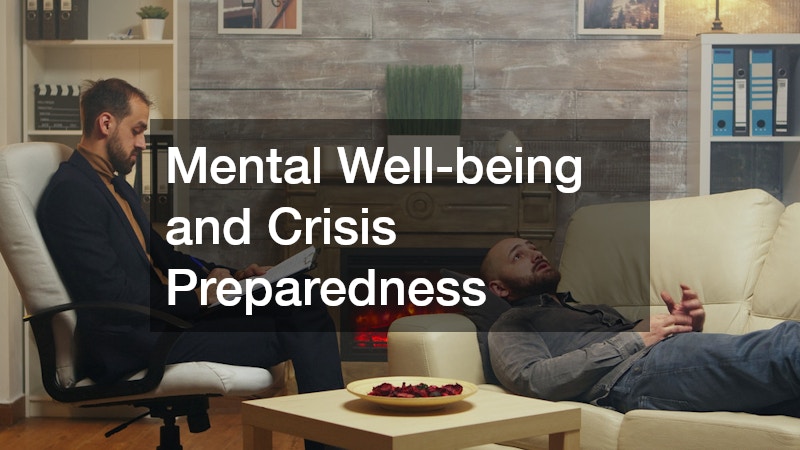
Health is not merely the absence of disease; it is the presence of vitality. In our high-stress culture, the “fight or flight” branch of our nervous system is often stuck in the “on” position. To counter this, we must intentionally activate the parasympathetic nervous system—the “rest and digest” mode.
Visiting day spas for treatments like massage therapy, sauna sessions, or sensory deprivation tanks is not an indulgence; it is a clinical intervention for stress. These environments are designed to strip away external stimuli, allowing the brain to enter an alpha-wave state that promotes healing and lowers blood pressure.
- Heat Therapy: Using a sauna regularly has been shown to improve cardiovascular health and assist in the detoxification of heavy metals through sweat.
- Mindfulness Integration: Use your time in these quiet spaces to practice deep diaphragmatic breathing, which further signals to the brain that it is safe to relax.
- Lymphatic Drainage: Some spa treatments focus on moving lymphatic fluid, which helps the body clear metabolic waste and supports overall immune function.
Build a Comprehensive Family Safety Protocol
No matter how well we care for ourselves, life is unpredictable. Being prepared for the unexpected is a vital, yet often overlooked, corner of health. Knowing how to react in the first few minutes of a crisis can be the difference between a full recovery and a permanent disability.
It is essential for every household to have a plan for a medical emergency. This includes knowing the location of the nearest trauma center, having a well-stocked first aid kit, and ensuring that all family members are trained in basic CPR and the use of an AED.
- The “Go-Bag”: Keep a folder with your medical history, current medications, and insurance information in an easy-to-grab location.
- Emergency Contact: Ensure your phone has “ICE” (In Case of Emergency) information accessible even when the screen is locked.
- Environmental Safety Check: Periodically audit your home for hazards like loose rugs or poor lighting to prevent falls, which are the leading cause of non-fatal injuries in many age groups.
True health is never found in a single pill or a solitary habit. It is found in the intersection of many small, specific actions. When we take the time to address our sleep quality, our hormonal balance, our physical alignment, and our emergency readiness, we build a resilient system that can withstand the stresses of modern life.
By focusing on these specific corners of care, you move from being a passive recipient of healthcare to an active architect of your own longevity. This comprehensive approach ensures that no part of your well-being is left to chance, allowing you to move through the world with confidence, energy, and a deep sense of vitality. Priority should always be placed on professional guidance, but the motivation to seek out that expertise must come from a personal commitment to total health.