
Welcoming a dog into your home can be one of the most rewarding experiences for any family. The companionship, love, and joy a dog brings are unmatched, but these benefits come with responsibilities. Preparing for a new dog requires careful thought about your daily routine, living environment, and long-term commitments. This guide is designed to walk homeowners through everything they should consider before adopting, from lifestyle adjustments to home safety measures, so your new pet feels happy, healthy, and well-integrated into your family.
Assess Your Daily Routine for Pet Readiness

Before bringing a dog home, it is essential to evaluate your family’s daily schedule. Dogs, particularly puppies and high-energy breeds, need consistent care, attention, and stimulation. Start by reviewing how much time you or your family members can dedicate to walks, feeding, and interactive play.
Consider these key points:
-
Morning routines: Can someone commit to a walk or potty break before leaving for work or school?
-
Evening routines: Will there be time for training sessions or evening walks after the day ends?
-
Weekend plans: Dogs often need longer periods of activity and socialization on days off.
-
Vacation and travel: Consider who will care for your dog when you’re away, or if temporary boarding might be needed.
Assessing your routine honestly helps prevent overcommitting and ensures your dog’s needs are met. Dogs thrive on consistency, and knowing that your schedule can accommodate daily exercise, socialization, and affection will help ensure a smooth transition for both your family and the pet.
Research Training Options Early
Training is a critical component of successful pet ownership and sets the foundation for a lifelong positive relationship between your family and your dog. Meeting with local dog trainers before adopting a pet can provide valuable insight into breed-specific behaviors, temperament, and learning capabilities. Trainers can help you set realistic expectations, teach the entire family how to establish clear boundaries, and provide guidance on consistent communication methods that your dog can understand.
Professional guidance can cover several important areas. Teaching basic obedience commands such as sit, stay, and come ensures your dog responds reliably in everyday situations, improving both safety and cooperation. Housebreaking techniques, including crate training and structured potty schedules, help prevent accidents and establish routine habits from the start. Trainers can also assist in addressing common behavioral challenges, such as excessive barking, chewing, or anxiety, and they provide strategies to manage these behaviors effectively without resorting to harsh discipline.
Investing time in training before and after adoption helps avoid frustration, fosters good habits, and strengthens the bond between your dog and the family. Many trainers recommend ongoing sessions, particularly for high-energy, intelligent, or strong-willed breeds, to ensure the dog remains well-adjusted, mentally stimulated, and responsive to commands. Early and consistent training not only makes day-to-day life smoother but also lays the groundwork for a happy, confident, and balanced canine companion.
Plan for Socialization and Daytime Care
Dogs are inherently social animals, and proper socialization is essential for their emotional well-being. Introducing your dog to a variety of experiences, people, and environments during the first months can reduce anxiety and prevent behavioral issues later.
Utilizing dog daycares can be a practical solution for families with busy schedules. Benefits of enrolling a dog in daycare include:
-
Interaction with other dogs, which promotes healthy social skills.
-
Structured play sessions under supervision to burn off excess energy.
-
Exposure to different environments and stimuli, building confidence and reducing fearfulness.
-
Opportunities for obedience reinforcement from trained staff.
While daycare isn’t necessary for every dog, it is particularly helpful for high-energy breeds or dogs that spend long hours alone during the day. Combining daycare with home-based socialization and training can create a balanced routine that supports mental and physical well-being.
Prepare for Travel and Overnight Needs

Family vacations, business trips, or even short weekend getaways require careful planning when a dog is part of the household. Ensuring that your dog has a safe, comfortable, and well-supervised place to stay while you are away is essential to prevent stress for both your pet and your family. Reliable boarding arrangements allow your dog to maintain routines, receive attention and exercise, and avoid feelings of anxiety or loneliness during your absence.
When selecting a dog boarding service, it is important to consider several factors carefully. The facility should maintain high standards of cleanliness, have secure enclosures, and provide adequate space for both rest and supervised play. Staff qualifications are equally important; caregivers should have experience with dog behavior, understand emergency protocols, and be capable of managing health needs appropriately. Daily routines should mirror your dog’s normal schedule as closely as possible, including opportunities for exercise, social interaction, and regular feeding.
Some families may choose to use boarding services only for extended trips, while others incorporate them occasionally to provide mental stimulation and socialization opportunities when the household schedule does not allow for constant attention. Visiting potential facilities in advance, speaking with staff, asking for references, and observing how they interact with dogs can provide peace of mind that your pet will be safe, happy, and properly cared for. Taking the time to plan and research boarding options ensures that travel does not disrupt your dog’s well-being and helps maintain consistency in their daily routine.
Schedule Preventive Health Appointments
Maintaining a dog’s health requires proactive and preventive care. Regular checkups with a veterinarian help monitor your dog’s growth, detect potential illnesses early, and establish vaccination and parasite prevention schedules. These appointments are also an excellent opportunity to ask questions, discuss behavioral concerns, and plan for any upcoming changes in your dog’s routine or environment that could affect their well-being.
Key preventive measures to discuss with your veterinarian include:
-
Core and non-core vaccinations tailored to your dog’s age, breed, and lifestyle to ensure proper immunity against common and regional diseases.
-
Heartworm, flea, and tick prevention programs to protect your dog from parasites that can cause serious health issues.
-
Nutritional guidance based on age, weight, and activity level, including advice on treats, supplements, and portion control to maintain optimal body condition.
-
Behavior or anxiety concerns that may impact overall health, such as excessive stress, separation anxiety, or destructive habits.
Routine veterinary visits build a foundation for long-term health by providing guidance on nutrition, exercise, and preventive strategies. They also allow for early intervention if any medical concerns arise, helping prevent complications and reducing stress, discomfort, and potential costs over time. Regular checkups foster a strong partnership with your veterinarian, ensuring your dog receives consistent, personalized care throughout their life.
Explore Non-Invasive Health Options
Not all health issues require surgery, and exploring non-invasive options can significantly improve a dog’s quality of life. Many dogs experience joint problems, minor injuries, or chronic conditions that, when managed early, respond well to conservative treatments. Considering alternatives to surgery can reduce pain, enhance mobility, and maintain overall well-being while avoiding the stress and recovery associated with invasive procedures.
Physical therapy and hydrotherapy are often highly effective in strengthening muscles, improving flexibility, and supporting proper joint function. Tailored exercise routines combined with weight management can relieve pressure on joints and prevent further strain, particularly for larger or older dogs. Veterinarian-recommended dietary supplements and medications may support bone and joint health, reduce inflammation, and enhance healing without the need for surgical intervention. Behavioral therapy is another valuable tool, as dogs experiencing anxiety or stress-related issues can benefit from structured guidance to reduce tension and promote overall mental and physical wellness.
Addressing health problems early and consistently monitoring progress allows owners to prevent the escalation of minor conditions into serious medical issues. By integrating non-surgical approaches into your dog’s care plan, you can maintain comfort, preserve mobility, and enhance quality of life, ensuring that your pet remains happy, active, and engaged for years to come.
Maintain Oral Health
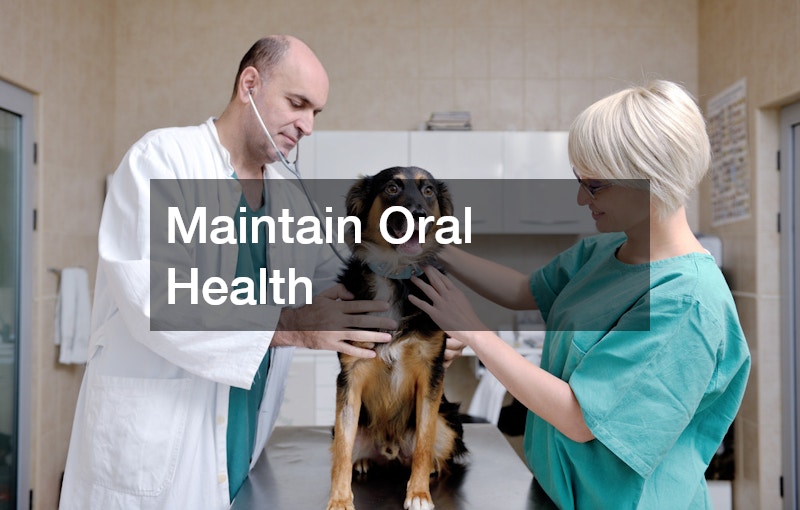
Dental care is a frequently overlooked but critical aspect of canine health. Poor oral hygiene can lead to pain, infection, and systemic health problems. Establishing a regular dental care routine is essential from the start.
Practical steps for maintaining oral health include:
-
Brushing your dog’s teeth daily or several times per week with veterinarian-approved toothpaste.
-
Providing dental chews or toys designed to reduce plaque and tartar.
-
Scheduling periodic professional cleanings with a veterinarian or canine dentistry specialist.
-
Monitoring for signs of discomfort, such as drooling, bad breath, or difficulty eating.
A strong dental care routine not only keeps your dog comfortable but also prevents costly medical treatments down the line.
Monitor Vision and Overall Health
Dogs can experience vision problems as they age or due to genetic conditions, and early detection is essential for maintaining their quality of life. Observing subtle changes in behavior, such as bumping into objects, hesitating on stairs, or struggling to locate toys and food, can signal the need for a professional evaluation. Changes in how a dog navigates familiar spaces may indicate vision issues, while more general signs of discomfort or confusion could reflect broader health concerns.
Consulting an optometrist familiar with animal care or discussing vision concerns with your veterinarian can help identify and address potential problems early. Additionally, routine observation of overall health—including coat condition, appetite, mobility, weight, and energy levels—provides valuable insight into your dog’s well-being.
Noticing even small shifts in behavior or physical condition allows for prompt intervention, whether through dietary adjustments, exercise modifications, or medical treatment. Early recognition of sensory or physical problems improves quality of life, prevents complications, and ensures that your dog remains active, comfortable, and happy for years to come.
Consider Home and Yard Adjustments
Creating a safe and comfortable living environment benefits both your dog and your family. During home renovations or improvements, it’s important to carefully consider elements that accommodate your pet and support their safety and well-being.
Tips include:
-
Installing durable flooring that is easy to clean and resistant to scratches, spills, and everyday wear.
-
Creating a designated feeding and resting area to minimize household disruption and provide a consistent, comfortable space for your dog.
-
Ensuring fencing and gates are secure, sturdy, and properly maintained to prevent escapes.
-
Consulting a pool contractor to implement safety measures, such as fences or covers, to prevent accidents around water.
-
Adding shaded outdoor areas or dog-friendly landscaping to enhance comfort, provide safe play opportunities, and encourage outdoor activity.
Thoughtful home adjustments protect your dog from hazards while making your household easier to maintain, safer, and more enjoyable for everyone.
Final Home and Yard Safety Check

Before bringing a dog home, it is essential to conduct a comprehensive safety audit of your property. This process involves removing toxic plants, securing chemicals, and making sure that both indoor and outdoor spaces are safe and dog-friendly. Begin by identifying any harmful plants and replacing them with safe alternatives; visiting a local garden center can provide advice on non-toxic options suitable for your yard.
Household cleaners, fertilizers, and pesticides should be stored securely out of reach of your dog to prevent accidental exposure. Small objects that could pose choking hazards must be removed from floors, counters, and other accessible surfaces. Fences, gates, and outdoor structures should be carefully inspected for weaknesses or gaps that could allow your dog to escape. Pathways, stairs, and other frequently used areas should be free of tripping hazards to protect both your dog and family members.
By conducting a thorough safety check, you ensure that your dog can explore and enjoy their new home confidently and without unnecessary risk. This preparation provides peace of mind for your family and sets the stage for a smooth and happy adjustment period, allowing your new pet to feel secure, comfortable, and welcomed from the very first day.
Adopting a dog is a joyful and life-changing decision, but it requires thoughtful preparation and ongoing commitment. From assessing your schedule to planning for socialization, health care, and home safety, every step contributes to a smooth integration of your new family member. By approaching adoption with careful planning, education, and attention to detail, homeowners can provide a nurturing environment that supports a dog’s health, happiness, and long-term well-being. The result is a rewarding relationship filled with companionship, laughter, and mutual love for years to come.